

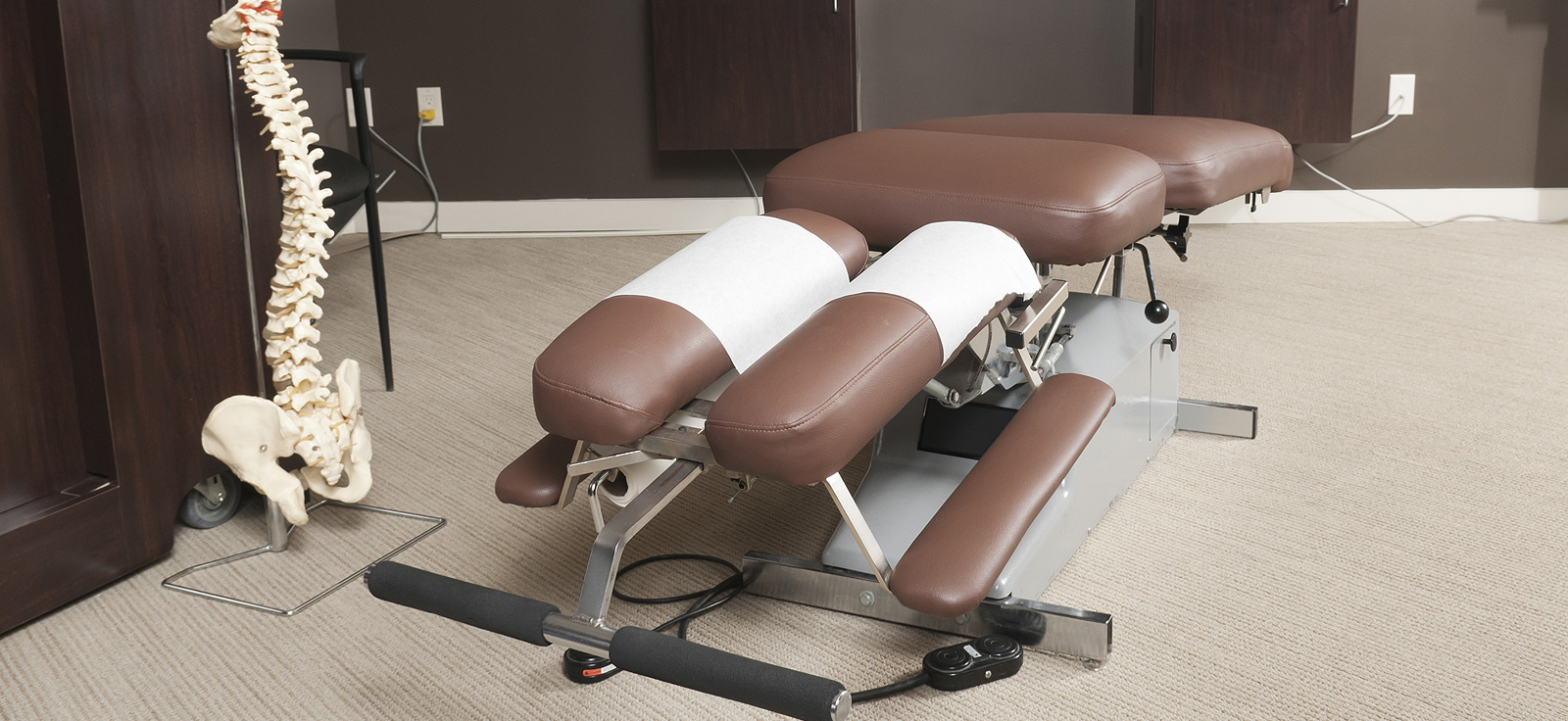
- Comfortable and controlled. Resting on a padded treatment table, the equipment gently cycles through phases of stretching and relaxing.
Spinal Decompression & Flexion Distraction in Suwanee, GA
If you're looking for relief without surgery or long-term medication, this is the place.
If back pain, sciatica, or a stubborn disc problem has been running your life, you're probably tired of treatments that only mask the ache. At Suwanee Family Chiropractic, Dr. Laura Russo, DC, offers non-surgical spinal decompression and flexion distraction therapy—gentle options designed to relieve pressure on your spine and help your body heal naturally.
What Is Spinal Decompression?
Your spine carries a lot of weight every single day. Over time, sitting for hours, lifting, and even the pull of gravity can compress the soft discs that cushion the bones in your back. When those discs get squeezed, they can press on nearby nerves, leading to pain, numbness, and tingling that sometimes travels down your arms or legs.
Spinal decompression takes the pressure off. Using advanced equipment—including the DRX9000 and ABS decompression machines—Dr. Russo gently stretches your spine to create space between the vertebrae.
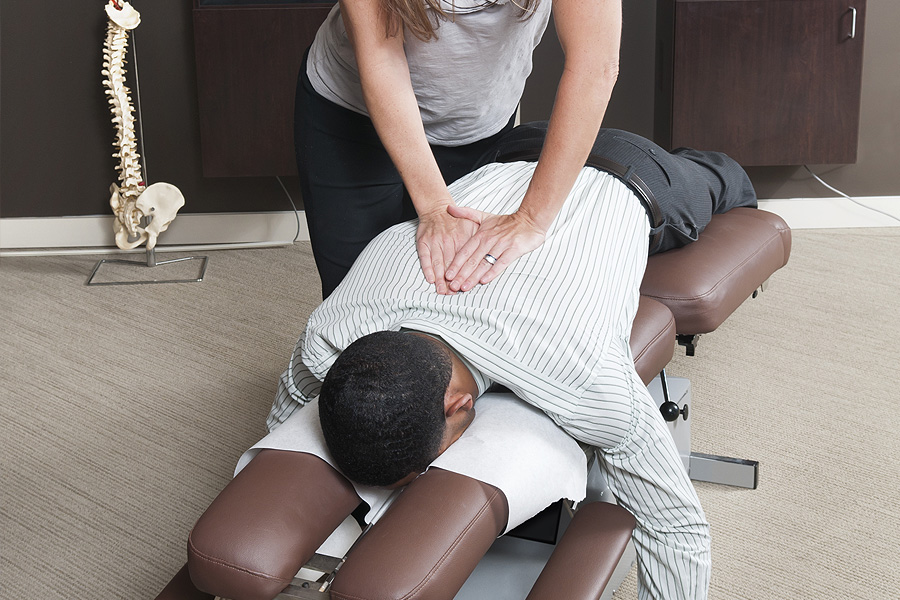
That gentle stretch does something remarkable. It creates a mild negative pressure inside the disc, almost like a vacuum. This helps coax bulging disc material back toward its proper place and draws in fresh fluid, oxygen, and nutrients. That nutrient flow is exactly what your discs need to recover, and it's often hard for them to get when they're compressed.
Everyone's spine is different, so the best way to know if decompression is right for you is a simple evaluation. Dr. Russo will review your history, assess your condition, and talk through your options honestly.
What Is Flexion Distraction?
Flexion distraction is another gentle, hands-on technique Dr. Russo uses to ease disc pressure and restore movement to the lower back—without any twisting or forceful popping.
Here's how it differs from decompression: flexion distraction uses a specialized table that lets the lower half of your body move independently. As you lie face down, Dr. Russo guides the table through a slow, rhythmic stretching and flexing motion, applying gentle pressure by hand. This creates a soft pumping action that opens up the spaces between your vertebrae.
Because there's no sudden movement, flexion distraction is especially well suited for people dealing with acute pain or recovering from a recent injury. Many patients find the motion deeply relaxing.
Who spinal decompression and flexion distraction may help:
Spinal decompression is a comfortable, non-surgical choice for people who want to avoid the risks of surgery or the side effects of daily pain medication. Dr. Russo often recommends it for patients dealing with:
Sciatica and Radiating Leg Pain
Sciatica is nerve pain that radiates along the path of the sciatic nerve, which is the longest and thickest nerve in your body. It is not a disease or medical condition in itself, but rather a symptom of an underlying back issue
Herniated or Bulging Discs
Discs themselves don’t always hurt; in fact, many people have bulging or herniated discs without ever knowing it. Pain, numbness, or weakness occurs only when the displaced disc material mechanically presses against a spinal nerve root or triggers chemical inflammation around it.
Degenerative Disc Disease
Degenerative disc disease (DDD) is a natural, age-related condition where the spinal discs wear down and lose their cushioning ability. Over time, this wear and tear can cause the vertebrae to rub together, leading to localized back or neck pain and spinal stiffness.
Pinched Nerves
A pinched nerve is a nonmedical term for a compressed nerve. It can happen to any of the nerves outside of your spinal cord for a variety of reasons. You may feel tingling, numbness and pain. Mildly pinched nerves usually resolve themselves, but more severe cases may need chiropractic care.
Spinal Stenosis
The narrowing of the spaces within your spine, which can put pressure on the spinal cord and the nerves that travel through the spine. While a pinched nerve is often a single, localized issue, spinal stenosis is a structural narrowing that frequently result in multiple pinched nerves or widespread nerve compression.
What to Expect During Your Session
We want you to feel completely at ease before your first visit, so here's a look at what a typical experience involves.
- Short and manageable. Sessions usually last less than 30 minutes.
- A steady rhythm of care.A common plan involves visits about 3 times a week for roughly a month, though Dr. Russo tailors this to how your body responds.
- Part of a bigger picture.Decompression and flexion distraction work best alongside supportive care like targeted exercises, stretches, and other gentle therapies that strengthen muscles supporting your spine.
